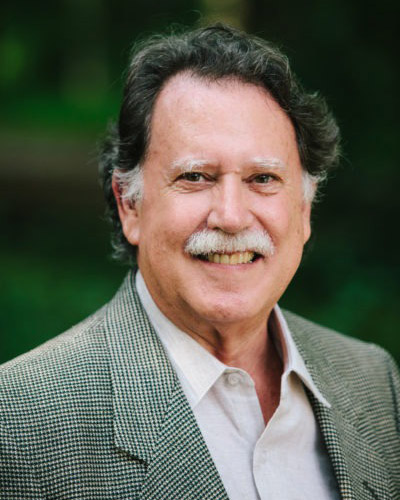
Dr. Michael Sharp
Internal Family Systems, Somatic Experiencing
Much of what troubles us in adulthood began as an intelligent attempt to survive, adapt, and belong. Anxiety, anger, shame, withdrawal, perfectionism, relationship difficulties, and other persistent patterns often developed for good reasons. Yet strategies that once protected us can eventually leave us feeling trapped, disconnected, or unable to live as fully as we would like.
My work is about helping people understand and gently transform those patterns.
I primarily draw from Internal Family Systems (IFS) and Somatic Experiencing, approaches that respect both the psychological and physiological ways we carry our histories. Rather than treating difficult emotions or behaviors as symptoms to eliminate, we become curious about the parts of us that developed them—and about what those parts may still be trying to protect.
The therapeutic relationship matters deeply to me. Healing rarely comes from being analyzed, instructed, or “fixed.” It grows in a relationship where there is enough safety, curiosity, compassion, and honesty for something new to become possible.
My path to this work has been a long one. I graduated from Harvard Medical School and spent 25 years on the faculty of the University of North Carolina School of Medicine. Much of my early career centered on children with disabilities and their families, where I came to appreciate how profoundly relationships, families, and communities influence human well-being.
Later, my own experience with serious illness led me to look more broadly at healing. Over the years I explored acupuncture and Chinese medicine, mind-body medicine, Functional Medicine, and other healing traditions. Increasingly, however, my attention turned toward trauma, attachment, the nervous system, and the enduring effects of early experience.
That journey eventually brought me to the work I find most meaningful today: sitting with another person as they discover why they feel and react as they do, helping them encounter wounded and protective parts of themselves with compassion, and supporting the possibility of genuine change.
I work especially well with people who are thoughtful and self-aware but find that insight alone has not changed deeply rooted patterns. Many have spent years understanding why they are anxious, reactive, guarded, ashamed, or unhappy, yet still experience the same responses in their bodies and relationships.
Therapy can offer another way forward—not by fighting those responses, but by listening to them, understanding what shaped them, and allowing the nervous system and the inner world to discover that the present can be different from the past.
I accept a limited number of clients so that I can bring care, attention, and continuity to each therapeutic relationship. My hope is not simply to help people feel less distressed, but to help them become more at home in themselves—and more able to live with openness, connection, choice, and joy.